
Pregnancy, birth, breastfeeding, and postpartum recovery are important times of physical, emotional, spiritual, and ʻohana connection. This guide brings together ʻike kupuna, Native Hawaiian cultural practices, and current health information to support makuahine, keiki, and ʻohana.
HĀPAI • HĀNAU • HĀNAI WAIŪ
A Native Hawaiian Maternal Health Guide
Pregnancy, birth, breastfeeding, and postpartum recovery are important times of physical, emotional, spiritual, and ʻohana connection. This guide brings together ʻike kupuna, Native Hawaiian cultural practices, and current health information to support makuahine, keiki, and ʻohana.
A note about this guide: ʻIke kupuna and traditional practices are presented as cultural knowledge and historical practice. Some practices may not be appropriate or safe for every pregnancy or birth today. Talk with your OB-GYN, midwife, or other qualified health professional before using lāʻau lapaʻau, herbal preparations, supplements, medications, or physical techniques during pregnancy or labor.
Data Informs the Work
Native Hawaiians and Pacific Islanders, compared to other racial groups, are the least likely to enter prenatal care early in their pregnancy, and they’re most likely to get no prenatal care.
This is what we know
-
- Pregnancies that are Intended – In 2022, Native Hawaiians reported the lowest rate of pregnancies that were intended at 40%, as compared to the overall Hawaiʻi population at 60%.
- Women with Depression before Pregnancy – 11% of Native Hawaiian women reported having depression before pregnancy, as compared to 10.5% of the overall Hawaiʻi population
- Infant Mortality Rates – From 2022- 2024, Infant mortality rates for Native Hawaiians were at 6.7%, which is higher than the overall Hawaiʻi value at 4.7%
- Breastfeeding stats for NH – In 2022, 55% of Native Hawaiians reported exclusively breastfeeding for 8+ weeks, as compared to 55% of the overall Hawaiʻi Population.
- 18% of teen pregnancies are among Native Hawaiians, as compared to 11% of the overall Hawaiʻi population
Introduction:
From hāpai to hānau and into the early years of being a makua, maternal and child health is deeply connected to the well-being of the whole ʻohana. For Kānaka Maoli, pregnancy, birth, breastfeeding, and caregiving have long been grounded in pilina, with ʻāina, kūpuna, community, and the generations yet to come. These practices remind us that caring for mothers, birthing people, babies, and caregivers is not only clinical care; it is cultural, emotional, spiritual, and collective care.
Since Western contact, the health and birthing practices of Native Hawaiian ʻohana have been impacted by the loss of resources, changing systems of care, and barriers to culturally grounded support. Today, many Native Hawaiian ʻohana continue to navigate challenges related to access, affordability, respectful care, and trusted information throughout pregnancy, birth, postpartum recovery, infant feeding, and early childhood. These experiences are shaped not only by individual choices, but also by the environments, systems, and supports available to each ʻohana.
There are many ways to nurture healthy beginnings and strengthen ʻohana well-being. Early prenatal care, nourishing foods, safe and supported birth experiences, hānai waiū, emotional support, and connection to cultural practices can all contribute to the health of makua and keiki. This page offers information and resources organized by life stage: hāpai, hānau, and makua, to help families find support when they need it and feel more connected on their journey.
Papa Ola Lōkahi aligns its efforts with the recommendations outlined in the Native Hawaiian Health Care Act of 1988 and the E Ola Mau reports from 1985, 2019, and 2023. While the E Ola Mau reports do not include a dedicated chapter on chronic health conditions or maternal and child health, these conditions often intersect with all aspects of health, so the reports reference them throughout various chapters and incorporate them into the broader recommendations.

Hāpai | Pregnancy
ʻIke Kupuna | Cultural Knowledge
Information sourced from Nānā I Ke Kumu vol 2 by Mary Kawena Pukui
Pregnancy was considered a sacred, formative period. The unborn child was considered a person whose character was already being shaped in the womb. A mother’s physical, emotional, and spiritual well-being was believed to influence her baby’s future health, temperament, and character.
Makuahine were encouraged to cultivate:
- Calmness
- Kindness
- Patience
- Emotional steadiness
Traditionally, mothers were encouraged to avoid anger, harsh speech, arguing, and other negative emotional states. These teachings reflected the belief that what surrounded and affected the mother also affected the keiki and could result in weakness, poor temperament or physical abnormalities.
ʻIloli, or the discomforts of pregnancy, were understood as a normal part of hāpai. Changes in mood and anxiety were also recognized, with calmness, kindness, and relational care encouraged as forms of support.
If the Kahuna wanted to find out the gender of the baby, he would sit down to talk with his patient and ask to see their hand. If the makuahine extended her right hand, the baby would be a boy; if it was her left hand, it would be a girl.
Lāʻau Lapaʻau
Traditional lāʻau lapaʻau supported the health and strength of makuahine and keiki. Kupuna, women, and experienced practitioners passed down this knowledge, and they accompanied it with pule.
Important: Traditional plants, teas, oils, and preparations can have biological effects and may interact with medications or pregnancy. Do not assume they are safe just because they are natural. Discuss their use with a qualified practitioner and prenatal care provider.
Modern Day Recommendations
During the first trimester:
- Schedule your first prenatal appointment with your OBGYN or midwife
- Take prenatal vitamins that contain folic acid
- Only 37.8% of Native Hawaiian people reported taking folic acid or vitamins prior to pregnancy, as compared to 50% of the overall Hawaiʻi population.
- Eat a variety of nutritious foods
- Stay active but know your limits (Recommended: 2.5 hours of moderate intensity activity each week)
- Drink plenty of water (Recommended: 8-12 cups per day)
- Get adequate rest (Recommended: 7-9 hours each night)
- Avoid alcohol, tobacco and other substances that can harm pregnancy
- Celebrate and connect with your growing keiki
- Make a dentist appointment
- Pregnancy is associated with increased risk for gum disease and tooth decay. Gum disease has been linked to an increased risk for low birthweight and preterm birth, and cavity-causing bacteria in the mother’s mouth can be transferred to her child before birth.
- Only 36.7% of Native Hawaiians got a teeth cleaning while they were pregnant, as compared to 47.5% of the overall Hawaiʻi population
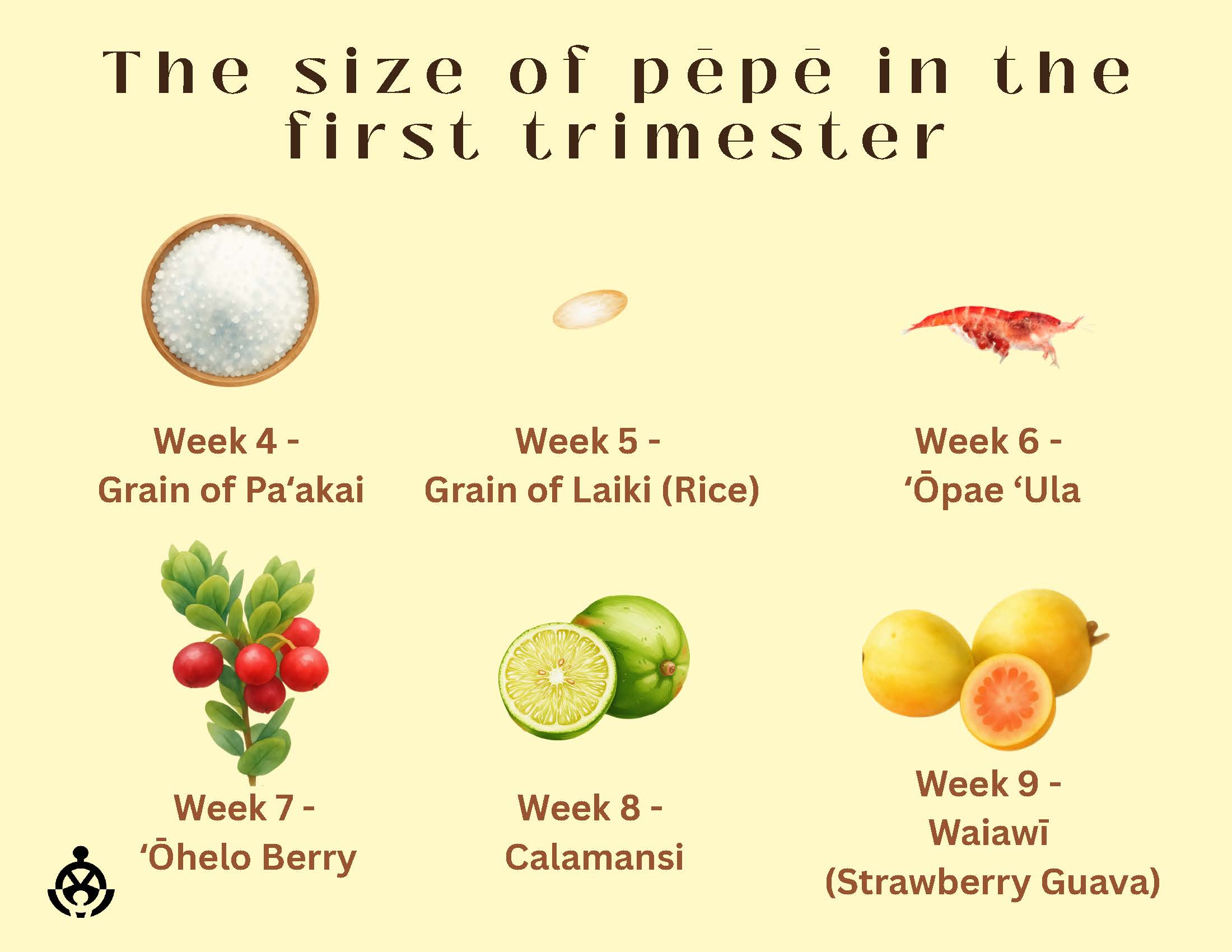
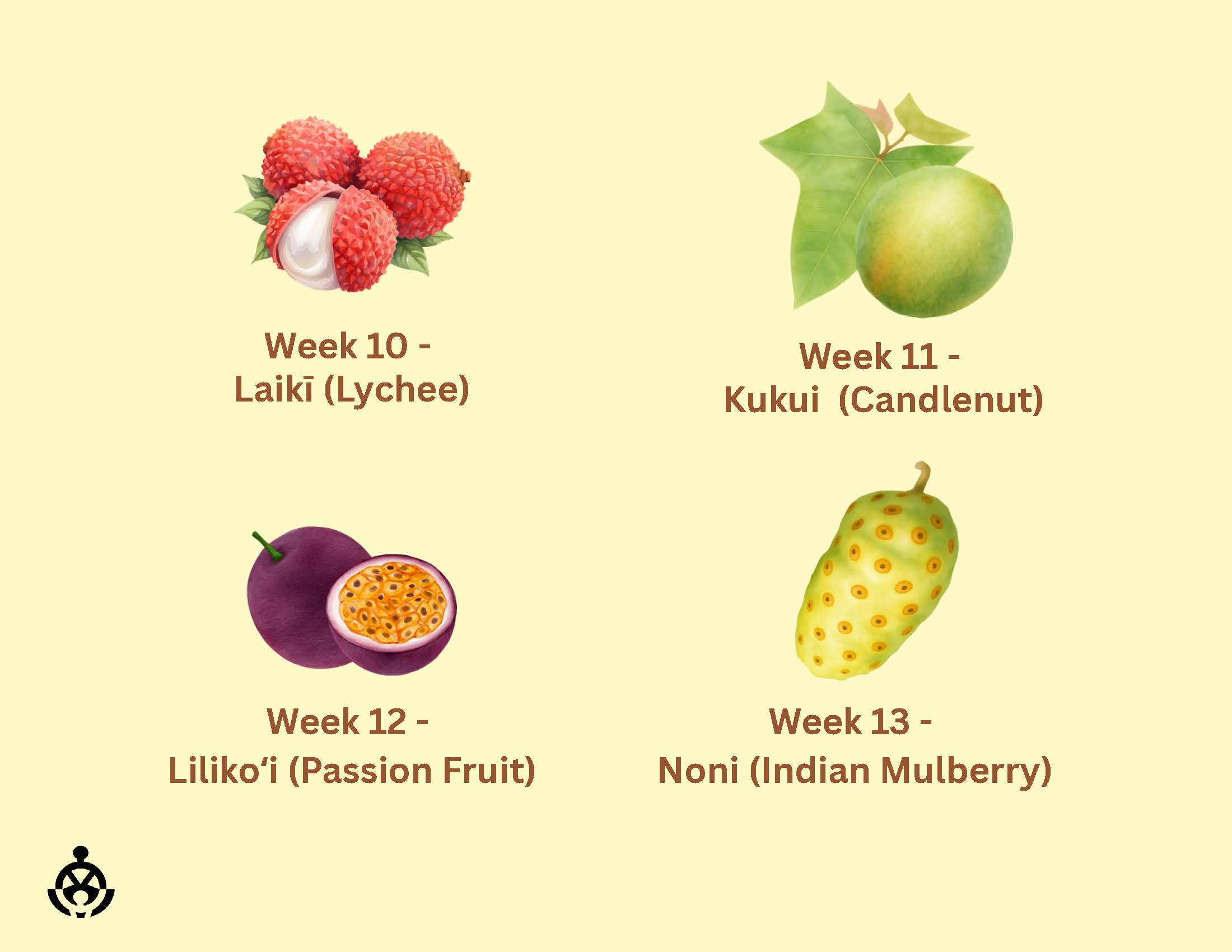
Your keiki’s development
- The neural tube forms and will become the baby’s brain and spinal cord
- Heart begins beating and can be detected on ultrasound
- Major organs begin to develop
- Tiny buds appear and turn into arms, legs, fingers, and toes
Common First Trimester Symptoms
You may experience:
- Missed period
- Extreme tiredness
- Tender or swollen breasts. Your nipples might also stick out.
- Upset stomach with or without throwing up (morning sickness)
- Food cravings or aversions
- Frequent urination
- Mood changes
- Mild cramping or pulling sensation
- Constipation
- Light spotting
- See other symptoms here
Managing Symptoms | Comfort Measures
Morning sickness:
- Eat dry crackers or toast before getting out of bed.
- Eat small, more frequent meals so your ōpū doesn’t stay empty
- Drink ginger tea; try sour candies
- Avoid greasy, spicy, or strong-smelling foods.
Fatigue:
- Take naps and get adequate sleep each night
- Keep your schedule light and ask for help
- If you have the energy, do light, gentle exercise
Constipation + Bloating:
- Drink lots of water all day
- Eat high-fiber foods like fruits, vegetables, and whole grains.
- Consider gentle laxatives (prunes or prune juice) or talk to your doctor about safe stool softeners
Breast Tenderness:
- Wear a soft, wire-free bra
- Use cool or warm compresses for relief
Bleeding and Spotting:
- Wear a pad, keep track of blood flow (color, texture, presence of clots)
Seek prompt medical attention if you experience:
- Excessive bleeding or spotting
- Severe abdominal or pelvic pain
- Severe nausea and vomiting
- High fever
- Severe dizziness, blurred vision, or extreme weakness
- Chest pain or difficulty breathing
Trust your naʻau if something doesn’t feel right
Resource Links
- https://mothertobaby.org/baby-blog/the-a-b-c-s-of-prenatal-vitamins/
- https://www.mayoclinic.org/healthy-lifestyle/pregnancy-week-by-week/in-depth/prenatal-vitamins/art-20046945
- https://americanpregnancy.org/pregnancy/pregnancy-vitamins-nutrients/
- https://hawaiifamilydental.com/pregnancy/
- https://womenshealth.gov/pregnancy/youre-pregnant-now-what/stages-pregnancy
- https://www.uchicagomedicine.org/forefront/womens-health-articles/tips-to-manage-common-pregnancy-symptoms-by-trimester
- https://www.ucsfhealth.org/health-articles/coping-with-common-discomforts-of-pregnancy
ʻIke Kupuna | Cultural Knowledge
Information sourced from Nānā I Ke Kumu vol 2 by Mary Kawena Pukui
Lomilomi was done daily and used as physical therapy and supportive care.
Food was understood as formative medicine. Hoʻokauhua (cravings) were believed to have come from the baby and were therefore given attention, as they symbolized babies coming to nature.
Traditional teachings also included symbolic practices surrounding pregnancy. For example, closed circular lei were avoided because of their association with umbilical cord entanglement, and open-ended lei were preferred. The same applied to working with cordage; makuahine were not allowed to stitch tapa because a kink in the cords was believed to cause a kink in the umbilical cord.
No pregnant woman was allowed to string fish for drying, because if the fish spoiled, the baby would be born with a nose disease that affected breathing.
Attention was given to resting positions and body alignment.
Traditional Food Practices
Around the fourth month of hāpai, the diet of the mother became more regulated and varied depending on the ʻāina. Moderation and balance were emphasized.
Foods encouraged to eat included:
- Plenty of greens such as pōpolo, āheahea, lūʻau, and palula
- Cooked fish
- Balanced meals with moderate portions
Foods that were limited or avoided:
- Overly salty food
- Bitter or strongly flavored foods
- Large amounts of raw fish
- Excess starch and fat
ʻŌlelo Noʻeau: “I paʻa ke kino o ke keiki i ka lāʻau”
What the mother consumed was believed to shape the keiki physically and emotionally. Limited salt intake undoubtedly controlled fluid retention and may have prevented the toxemia and eclampsia sometimes associated with pregnancy and labor.
Caring for Yourself and Your Keiki
During the second trimester:
- Continue attending prenatal appointments
- Begin preparing for baby’s arrival (crib, car seat, diapers, newborn clothing)
- Invest in comfortable maternity clothes
- Attend childbirth classes
- Gather newborn essentials
- Bond with your keiki (read books, play music, talk or sing to them!)
You may experience:
- Body aches, such as back, abdomen, groin, or thigh pain
- Stretch marks on your abdomen, breasts, thighs, or buttocks
- Darkening around your nipples
- A dark line from belly button to pubic area (linea nigra)
- Leg cramps
- Feeling your keikiʻs kicks/movements
- Patches of darker skin, usually over the cheeks, forehead, nose, or upper lip. Patches often match both sides of the face. This is sometimes called the mask of pregnancy.
- See other symptoms here: https://womenshealth.gov/pregnancy/youre-pregnant-now-what/stages-pregnancy
Managing Symptoms | Comfort Measures
- Back aches: Elevate feet while sitting, avoid standing in one position for too long, consider exercises for relief such as the “pelvic rock”, ask provider about prenatal stretches
- Leg cramps: Consider taking a calcium supplement, stretch your leg with heels pointed while laying down to relieve cramps, stay hydrated
- Stretch marks: Moisturize to reduce itchiness and appearance (common pregnancy-safe skincare options: cocoa butter, shea butter, vitamin E oils)
- Other body aches: Wear supportive footwear, be mindful of posture, prenatal stretching and massages from someone trained in pregnancy care
Trust your naʻau if something doesn’t feel right
Contact your health care provider immediately if you have:
- High blood pressure
- Sudden or severe swelling of the face, hands, or feet
- Premature contractions or severe abdominal pain
- Vaginal bleeding
- Severe headache or changes in vision
- Clear fluid leaking from the vagina
Your Keiki’s Development
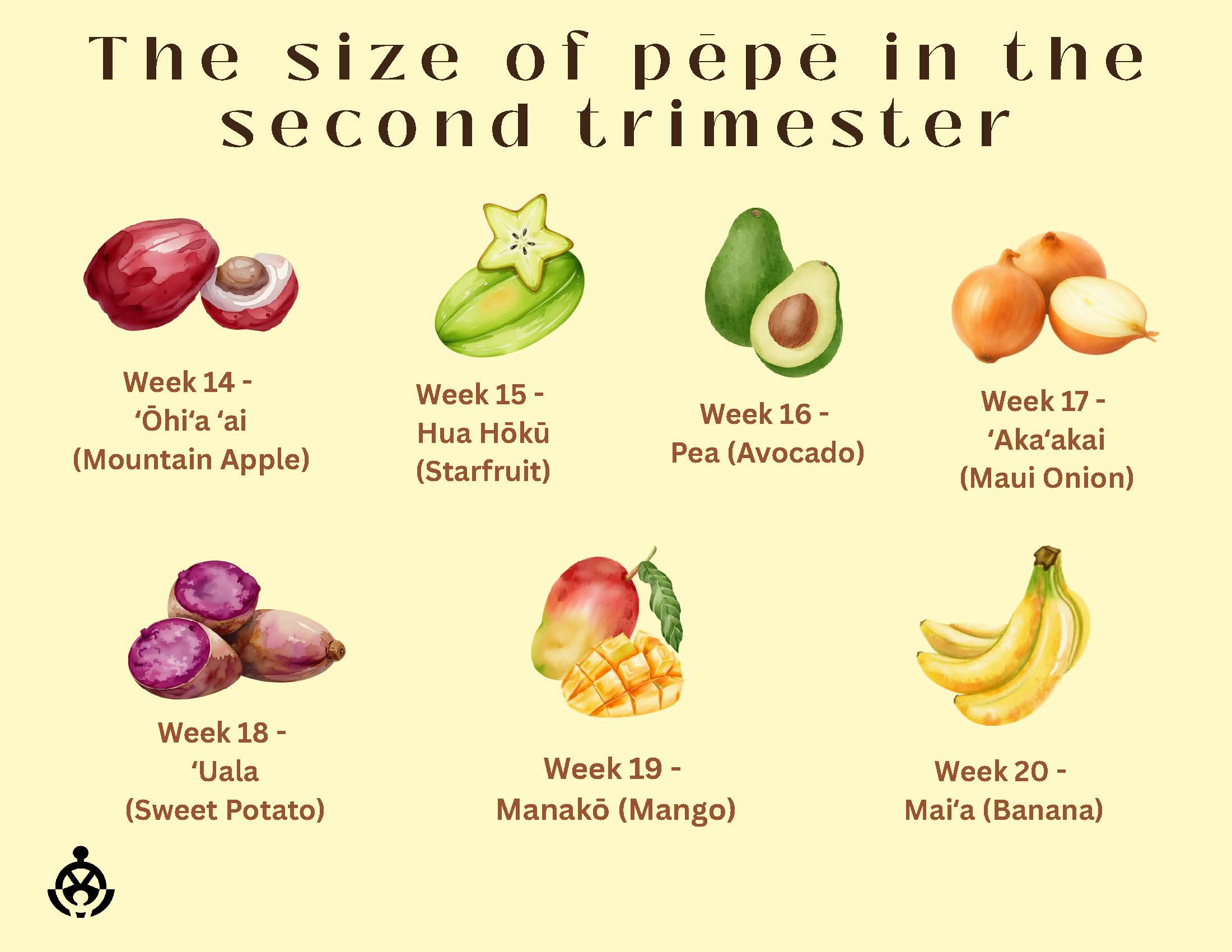
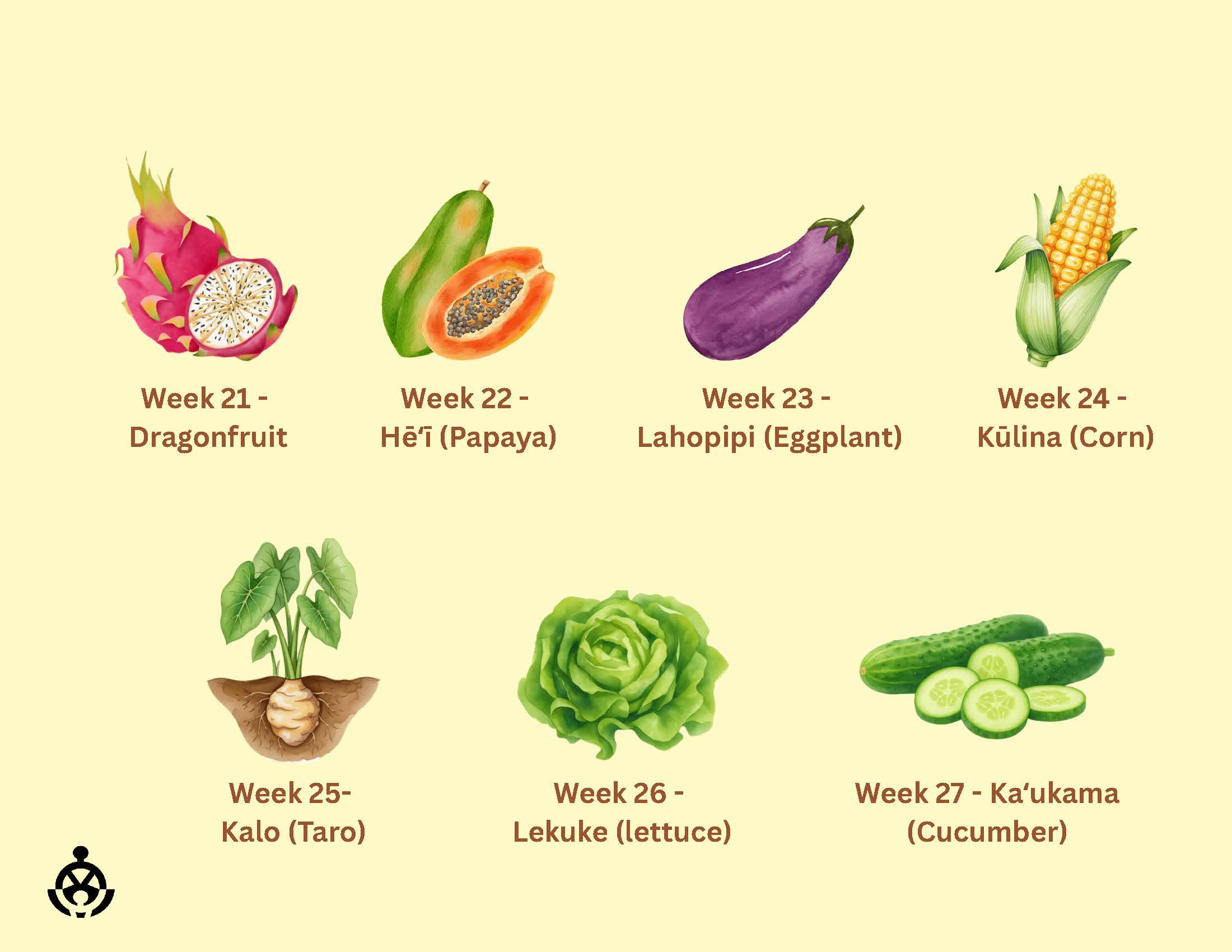
During the second trimester:
- Your keiki is growing rapidly
- Bones and muscles become stronger
- Kicks and flutters can be felt now
- Your baby begins responding to sounds
- The eyes develop and can open and react to light
Resources/Links
ʻIke Kupuna | Cultural Knowledge
Information sourced from Nānā I Ke Kumu vol 2 by Mary Kawena Pukui
In the last trimester, makuahine traditionally received extra care and attention. Ideally, a husband, mother, or another trusted member of the ʻohana would help protect the makuahineʻs energy and prepare her for birth. This period emphasized rest, nourishment, and emotional support. It was believed that “babying” the mother would better equip her to enter the desired symbiotic relationship with the baby after birth.
By month 6, the mother was taught to eat lightly to prevent a “too-fat” baby.
Lāʻau Lapaʻau
Lāʻau lapaʻau (plant medicine) was used to support the makuahineʻs strength, comfort, and preparation for labor. Lāʻau use included plants, teas, oils, and topical preparations, always accompanied by pule. Knowledge was transmitted through kupuna, women, and experienced practitioners.
Teas/ingested lāʻau:
- koʻokoʻolau and akiahala tea was given to the mother to build the strength of the baby
- ʻIlima blossoms or the thick end of hau blossoms were eaten daily for two months prior to birth to provide lubrication during birth and to serve as a laxative, as no enemas were given
- Pohuehue leaves rubbed over ōpū and eaten to hasten birth
Topical applications:
- Kukui oil was rubbed on the stretched skin of breasts and ōpū to prevent swelling
- Raw, dry kukui was mashed and wrapped in tapa, and rubbed over the makuahineʻs entire body for comfort
Important: Do not use herbal preparations or attempt physical manipulation to change the baby’s position, start labor, or prepare the cervix without guidance from an appropriately qualified health professional. Some traditional practices may carry risks during pregnancy.
Preparing Mind, Body and ʻOhana for Hānau
Traditional teachings emphasized maintaining an open mind about the child and creating a peaceful environment for birth. ʻAuʻau kai (to bathe in the sea)- mom would move her ōpū back and forth as she bathed in the ocean to loosen the baby so he would not stick during birth. Kahuna Pale Keiki (doctor for birth protection) would check if the baby was positioned properly. If correction was needed, a lomi with kukui oil gently manipulated the baby back into the right position. Hoʻoponopono was done prior to or in early labor to resolve any grudges within the ʻohana. It was a way to clear obstacles and promote harmony, restore family aloha, and hoʻokuakahi (clear the way) for a safe delivery.
Caring for Yourself and Your Keiki
During the third trimester:
- Attend routine prenatal checkups
- Track your baby’s movements
- Choose a pediatrician
- Take birthing or prenatal classes
- Tour the hospital or birth center
- Install your keikiʻs car seat
- Know the signs of labor
- Create a birth plan that outlines your preferences for labor, delivery, and newborn care
Things to Pack in your Hospital Bag:
- Photo ID
- Insurance information
- Prescription medications
- Phone + charger
- Comfortable clothing
- Maternity underwear
- Nursing bras and pads
- Toiletries and personal items
- Birth plan
- Slippers or non-slip socks
- Going-home outfit for baby
Optional Items to Pack:
- Eye mask or earplugs
- Personal pillow or blanket
- Lip balm
- Snacks or drinks
- Soft music/headphones
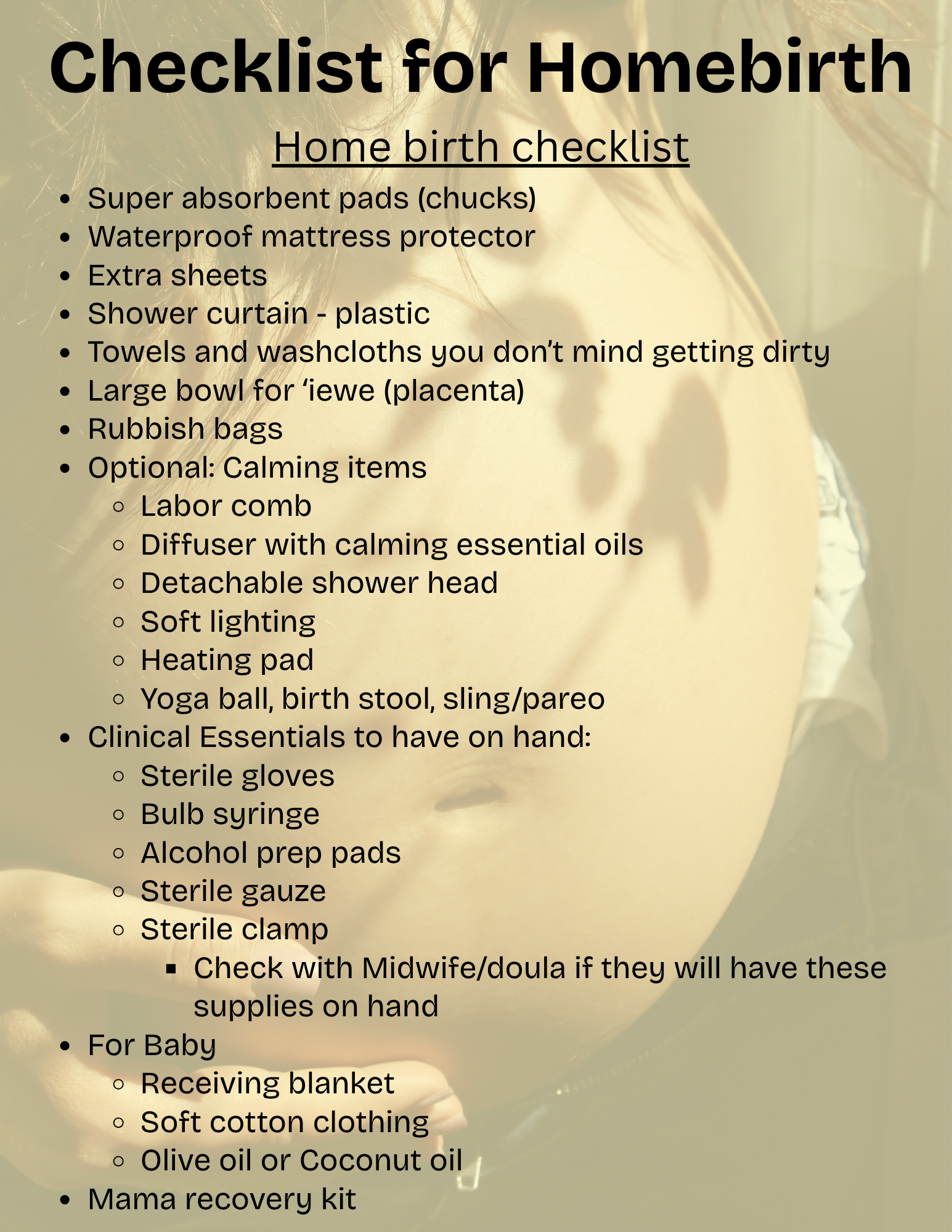
Homebirth Checklist
Common Third Trimester Symptoms
You may experience:
- Shortness of breath
- Heartburn
- Swelling of the ankles, feet, fingers, and face. (If you notice any sudden or extreme swelling or if you gain a lot of weight really quickly, call your doctor right away. This could be a sign of preeclampsia.)
- Hemorrhoids
- Tender breasts, which may leak a watery pre-milk called colostrum (kuh-LOSS-struhm)
- Your piko may stick out
- Trouble sleeping
- Lightheadedness and dizziness
- The baby “dropping”, or moving lower in your abdomen
- Braxton Hicks or labor contractions
Managing Symptoms:
- Heartburn: Avoid acidic foods, allow 60 minutes for food to digest before lying down, take calcium carbonate tablets (Tums)
- Swelling of the hands and feet: Elevate legs and feet to improve circulation. Avoid deep massage on the feet as this can trigger early labor.
- Trouble sleeping or Insomnia: Get a pregnancy pillow for comfort, find a comfortable sleeping position, pre-sleep comfort activities (drinking hot tea, taking a warm bath)
- Lightheadedness and dizziness: Avoid getting up too quickly, increase circulation with movement when standing for long periods of time
- Shortness of Breath: Change to a position that helps you breathe easier, try breathing exercises, slow down movements
Trust your naʻau if something doesn’t feel right
Contact your provider if you experience the following:
- Early contractions or indications of premature labor
- Vaginal bleeding
- High blood pressure
- Severe headaches
- Blurred vision
- Shortness of breath, chest pain, or excessive swelling
- Decreased or absent fetal movement
Your Keikiʻs Development
During the third trimester:
- Your keiki is gaining weight rapidly, with fat stores building under the skin to keep them warm after birth
- Organs are maturing; lungs produce surfactant to help with breathing outside the womb
- Baby will move into a head-down position in the uterus to prepare for delivery


Resource Links
- https://countthekicks.org/
- https://www.whattoexpect.com/pregnancy/labor-signs
- https://www.thebump.com/a/tool-birth-plan
- https://www.thebump.com/a/checklist-packing-a-hospital-bag
- https://utswmed.org/medblog/third-trimester-discomfort/
- https://womenshealth.gov/pregnancy/youre-pregnant-now-what/stages-pregnancy
Hānau | Birth
Hānai Waiū | Breastfeeding
Additional Resources
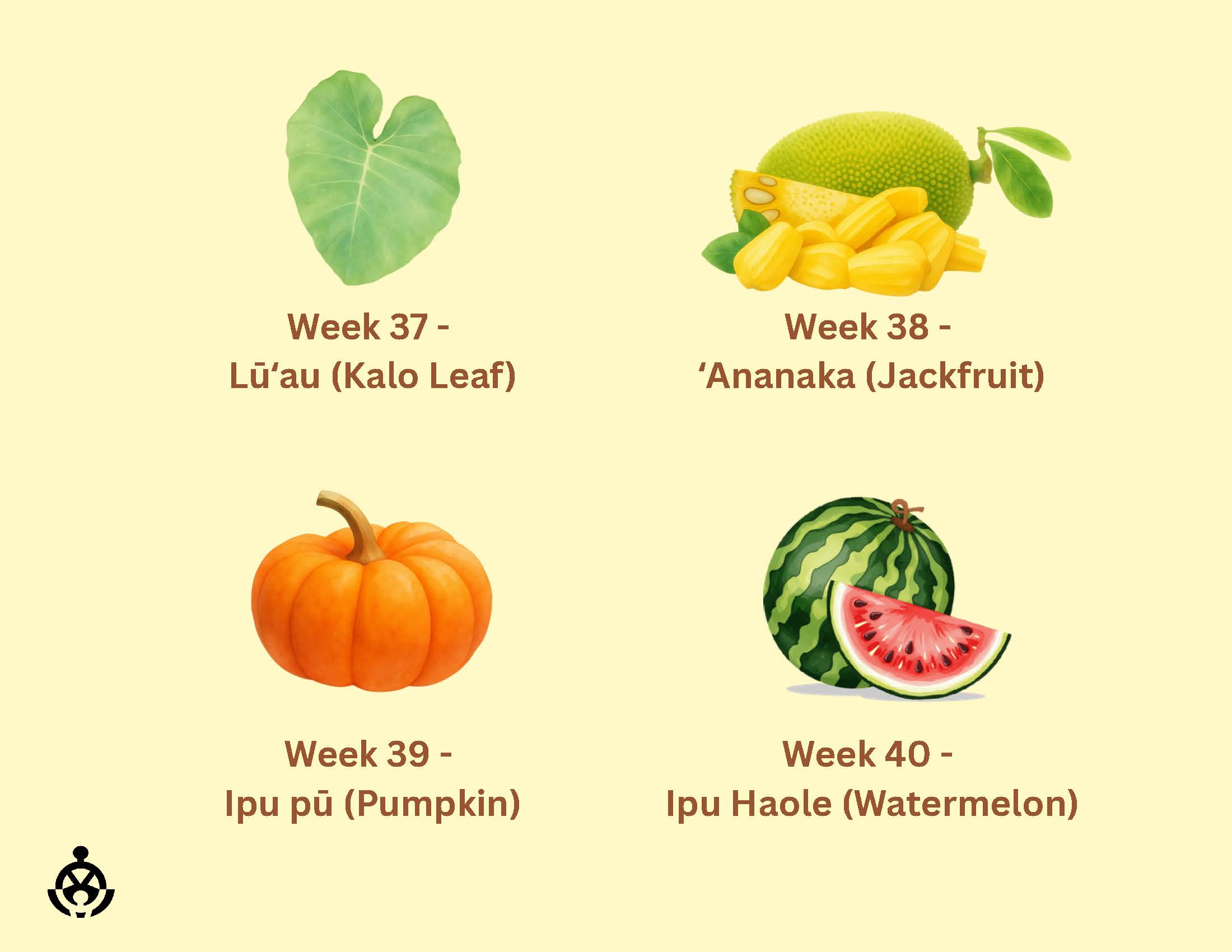
Size of Baby (downloadable PDF)
Program Staff


Nāpua Casson-Fisher
she/her/ʻo ia
Director, Community Initiatives

Camille McComas
Community Initiatives Specialist
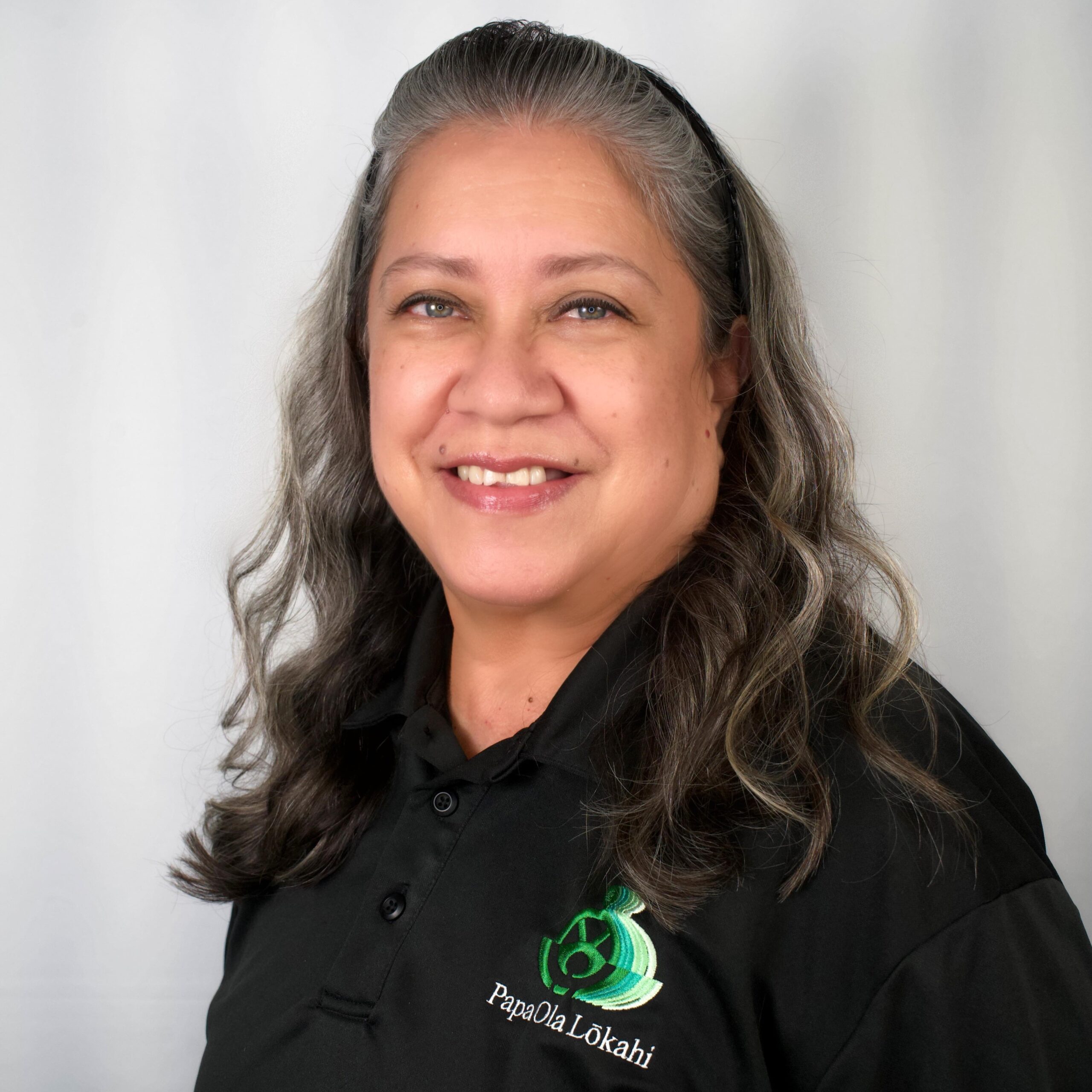
Cathy Ferreira
she/her/ʻo ia
Administrative Support
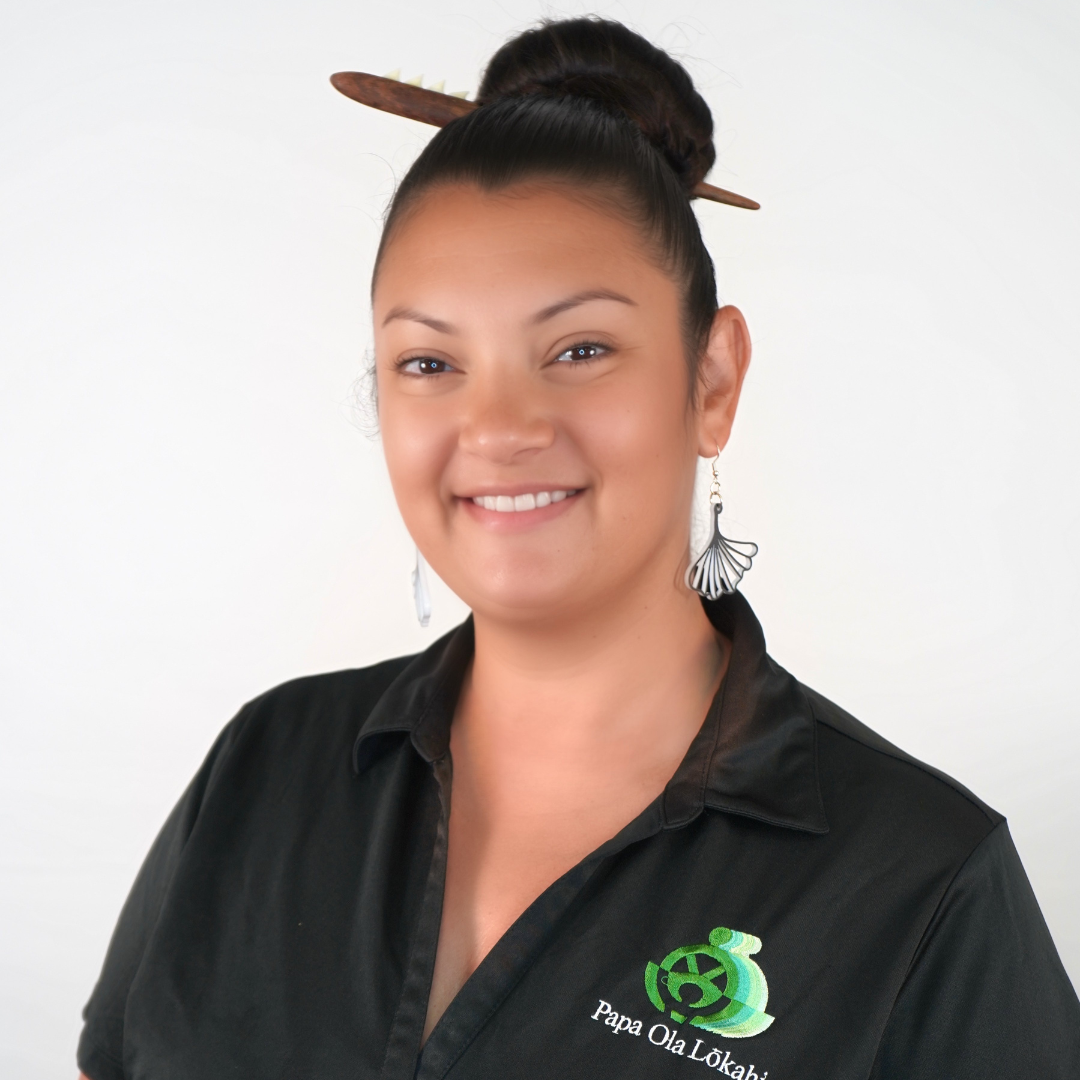
Lilinoe Kauahikaua
she/her/ʻo ia
Education & Training Manager
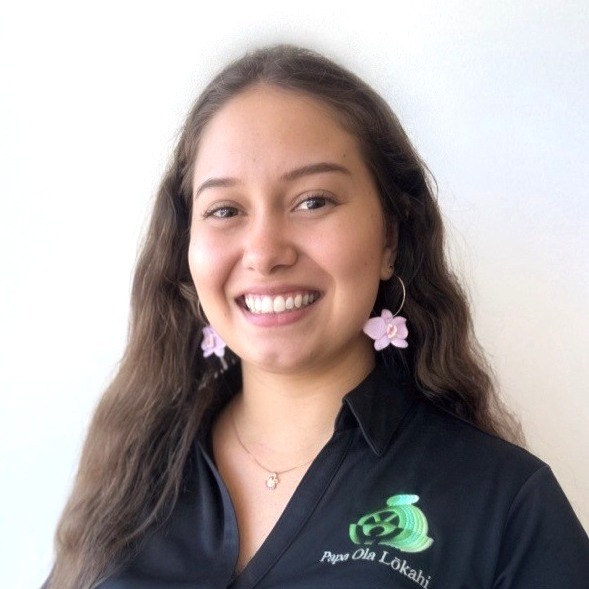
Kawehi Moderow
Population Health Specialist - Chronic Conditions, Maternal & Child Health, Sexual & Reproductive Health

Kuaiwi Laka Kahiwakapu Pili I Haupapanui Makua
Population Health Specialist - Environmental Health, Nutrition & Oral Health

Ikaika Regidor
ʻoia/they/he
Program Manager, Community Initiatives
Contact
Kawehi Moderow, MPH
808-597-6550